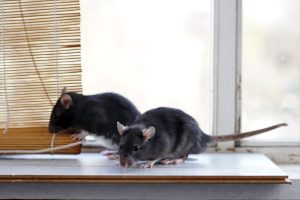
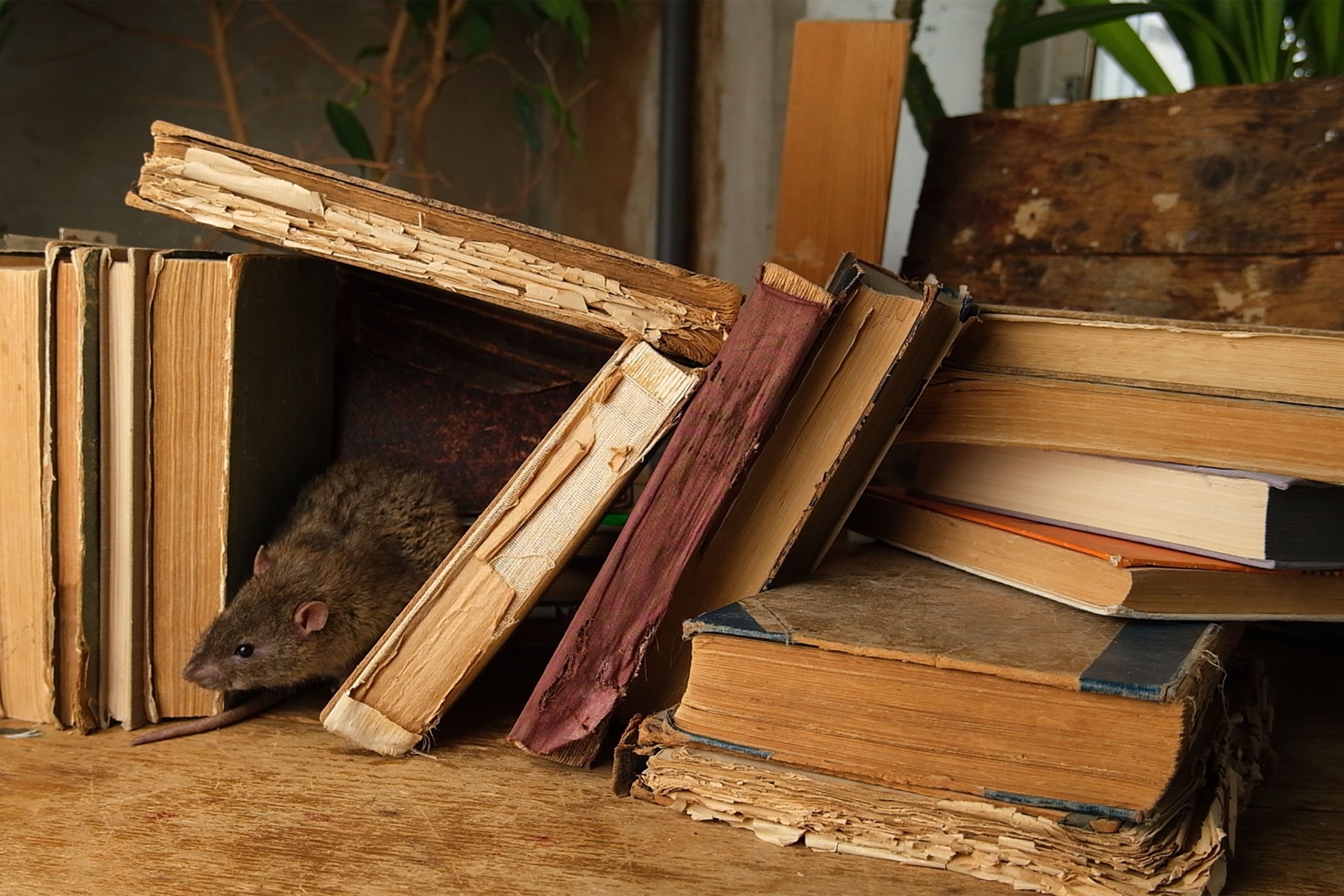
Fort Myers attics provide ideal conditions for rodent infestations, particularly for roof rats that naturally prefer elevated locations. Understanding why attics are so attractive to rodents – and recognizing the warning signs – helps you protect your home from the extensive damage these pests can cause.
What Makes Attics So Appealing to Rodents?
Elevated Location Matches Natural Preferences
Roof rats, Fort Myers’ most common rodent pest, evolved to nest in trees and elevated locations. Your attic mimics their natural habitat perfectly, offering the height and security they instinctively seek. Unlike Norway rats that prefer ground-level burrows, roof rats actively search for upper-level access points.
Safety from Predators
Attics provide exceptional protection from natural predators like hawks, owls, snakes, and cats. The enclosed environment with limited access points creates a safe haven where rodents can nest and raise young without threat.
Abundant Nesting Materials
Attic insulation offers ready-made nesting material that rodents pull apart and rearrange. Stored items—boxes, fabrics, papers, holiday decorations—provide additional resources for building nests. The availability of nesting materials saves rodents energy they’d otherwise spend collecting resources.
Stable Temperature
While attics get hot during summer, they’re significantly warmer than outdoor locations during cooler months. The insulated environment provides temperature stability that outdoor nesting sites lack. Even in Fort Myers’ mild winters, attics offer comfort that makes them attractive year-round.
Minimal Human Disturbance
Most homeowners visit attics infrequently. This lack of disturbance allows rodent populations to establish and grow undetected. By the time homeowners discover the problem, infestations are often well-established.
Recognizing Attic Rodent Activity
Audible Indicators
Listen for these sounds indicating attic rodent activity:
- Heavy running or scurrying across ceiling spaces, especially after sunset
- Scratching sounds from inside walls connecting to attic spaces
- Gnawing noises as rodents chew wood, wires, or stored items
- Squeaking or chirping, particularly in established nesting areas
These sounds typically intensify at night when roof rats are most active.
Visual Evidence During Inspections
When inspecting your attic, look for:
- Droppings: Roof rat droppings are approximately three-quarters inch long, pointed at both ends, and curved. Fresh droppings appear dark and moist, while older ones become gray and crumbly.
- Gnaw Marks: Look for chewed wood on rafters, roof decking, and stored items. Rodent teeth marks appear rough and splintered rather than clean-cut.
- Grease Trails: Rodents leave dark, greasy marks along rafters, beams, and travel routes from the oils in their fur. These trails become more pronounced with repeated use.
- Nests: Roof rats build nests from shredded insulation, paper, fabric, and other soft materials. Nests typically measure 12-18 inches across and may contain young during breeding seasons.
- Footprints and Tail Drags: In dusty attics, you may see footprints and tail drag marks in areas where rodents travel regularly.
Damaged Insulation
Rodent activity affects insulation in multiple ways:
- Compressed pathways marking regular travel routes
- Large sections pulled away and displaced for nesting
- Discolored, matted areas from urine saturation
- Scattered droppings throughout insulation material
Once insulation becomes contaminated with urine and droppings, it should be replaced due to health concerns and reduced effectiveness.
The Serious Damage Rodents Cause
Electrical Fire Hazards
Attic electrical wiring faces constant threat from rodent gnawing. Rats chew wire insulation, exposing conductors that can arc and cause fires. Electrical problems caused by rodents include:
- Short circuits and power outages
- Malfunctioning lighting or appliances
- HVAC system failures from damaged thermostats
- Significant fire risks from exposed wiring
The National Fire Protection Association estimates that rodents cause thousands of electrical fires annually in U.S. homes.
HVAC System Contamination
If your HVAC system runs through your attic, rodents can contaminate ductwork with droppings, urine, and nesting materials. This contamination then circulates throughout your home when the system operates, potentially causing respiratory issues and spreading diseases.
Damaged ductwork also reduces HVAC efficiency, increasing energy costs and reducing system effectiveness.
Structural Wood Damage
While termites receive more attention for wood destruction, rodents also damage structural framing. They gnaw roof decking, rafters, and support beams, potentially compromising structural integrity over time. Extensive damage may require costly repairs beyond simple pest control.
Destroyed Stored Items
Attic storage is particularly vulnerable. Rodents chew through boxes, damage fabrics, destroy papers and photos, and contaminate items with urine and droppings. Sentimental items like holiday decorations, family heirlooms, and important documents can suffer irreplaceable damage.
Health Risks from Attic Rodents
Rodents carry diseases transmissible to humans through:
- Direct contact with rodents, droppings, or urine
- Breathing dust contaminated with rodent waste
- Bites or scratches from handling rodents
- Contact with parasites (fleas, mites) that infest rodents
Common diseases associated with rodents include hantavirus, leptospirosis, salmonellosis, and plague. While serious infections are relatively rare, the risk increases with exposure frequency and infestation severity.
Effective Solutions for Attic Rodent Problems
Comprehensive Inspection
Professional rodent control begins with thorough attic inspection to:
- Assess infestation severity
- Identify entry points and access routes
- Determine rodent species present
- Evaluate damage extent
- Develop targeted treatment strategies
Strategic Trapping
Experienced technicians place traps along identified rodent pathways for maximum effectiveness. Trap types, baits, and placement strategies vary based on rodent species and infestation characteristics. Multiple trap types may be employed simultaneously.
Entry Point Exclusion
Effective attic rodent control requires sealing access points, including:
- Roof line gaps and damaged soffits
- Ventilation openings without proper screening
- Gaps where utilities penetrate the roof or walls
- Damaged or missing roof tiles
- Chimney openings without caps
Exclusion work uses durable materials like steel mesh, metal flashing, and concrete that rodents cannot chew through.
Sanitation and Decontamination
After eliminating rodents, attics may require:
- Removal of contaminated insulation
- Decontamination of affected areas
- Replacement of damaged insulation
- Sealing of wood surfaces to prevent odor absorption
These steps eliminate health hazards and prevent residual odors from attracting new rodents.
Ongoing Monitoring
Post-treatment monitoring ensures rodent populations don’t return. Follow-up visits check trap success, verify exclusion work effectiveness, and address any new vulnerabilities before they become problems.
Prevention: Keeping Rodents Out
Trim Tree Branches
Maintain at least three feet of clearance between tree branches and your roof line. Overhanging branches provide direct access routes for roof rats.
Regular Roof Inspections
Inspect your roof quarterly for damage creating entry points. Check for:
- Loose or damaged tiles
- Deteriorated flashing
- Gaps around vents and pipes
- Holes in soffits and fascia
Proper Attic Ventilation
Ensure all attic vents have secure, rodent-proof screening. Replace damaged screens immediately and verify screens are properly attached with no gaps.
Limit Attic Storage
Store items in sealed plastic containers rather than cardboard boxes. Elevate storage items off the attic floor when possible, and maintain organized storage that allows for easy inspection.
Don’t Wait Until Damage Is Done
Attic rodent problems worsen quickly. The longer rodents remain, the more damage they cause and the larger populations become. Early professional intervention protects your home, your health, and your wallet.
Fort Myers homeowners dealing with attic rodents deserve expert solutions. Contact Pest Solutions Plus today for comprehensive attic inspections and effective rodent control that protects your home from top to bottom.