Living on the water in Fort Myers comes with constant moisture, and moisture is what cockroaches need most. Homes along canals, rivers, and lakes tend to stay damp around the foundation and landscaping, and that dampness supports larger and more persistent roach activity than drier inland lots usually see. The water that makes these properties desirable also makes them comfortable for cockroaches. Homeowners in these neighborhoods are part of the reason we provide pest control across Lee County throughout the year.
Moisture Is the Main Draw
Cockroaches lose water quickly and seek out humid, sheltered places to survive. A waterfront lot provides those conditions in abundance. Higher groundwater, frequent irrigation, sea spray, and shade from dense plantings keep the soil and the base of the home damp. Seawalls and bulkheads hold moisture against the structure, and the gaps and weep holes in them give roaches places to hide close to the house.
Several features of a typical waterfront property add to the problem:
- Dense tropical landscaping and heavy mulch that stay wet
- Boat docks, lifts, and stored gear that collect debris and moisture
- Drainage outlets and low spots that empty slowly after rain
- Irrigation systems that keep beds damp near the foundation
- Mangroves, canal banks, and natural areas that hold roach populations nearby
Roach Species Common Near the Water
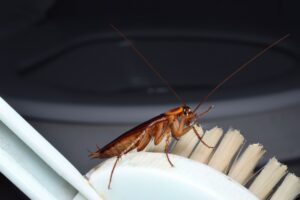
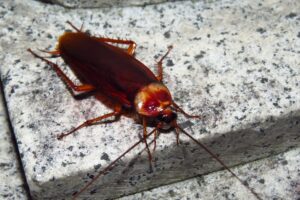
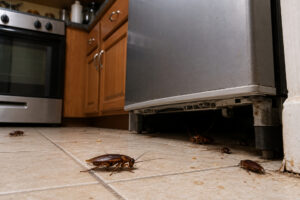
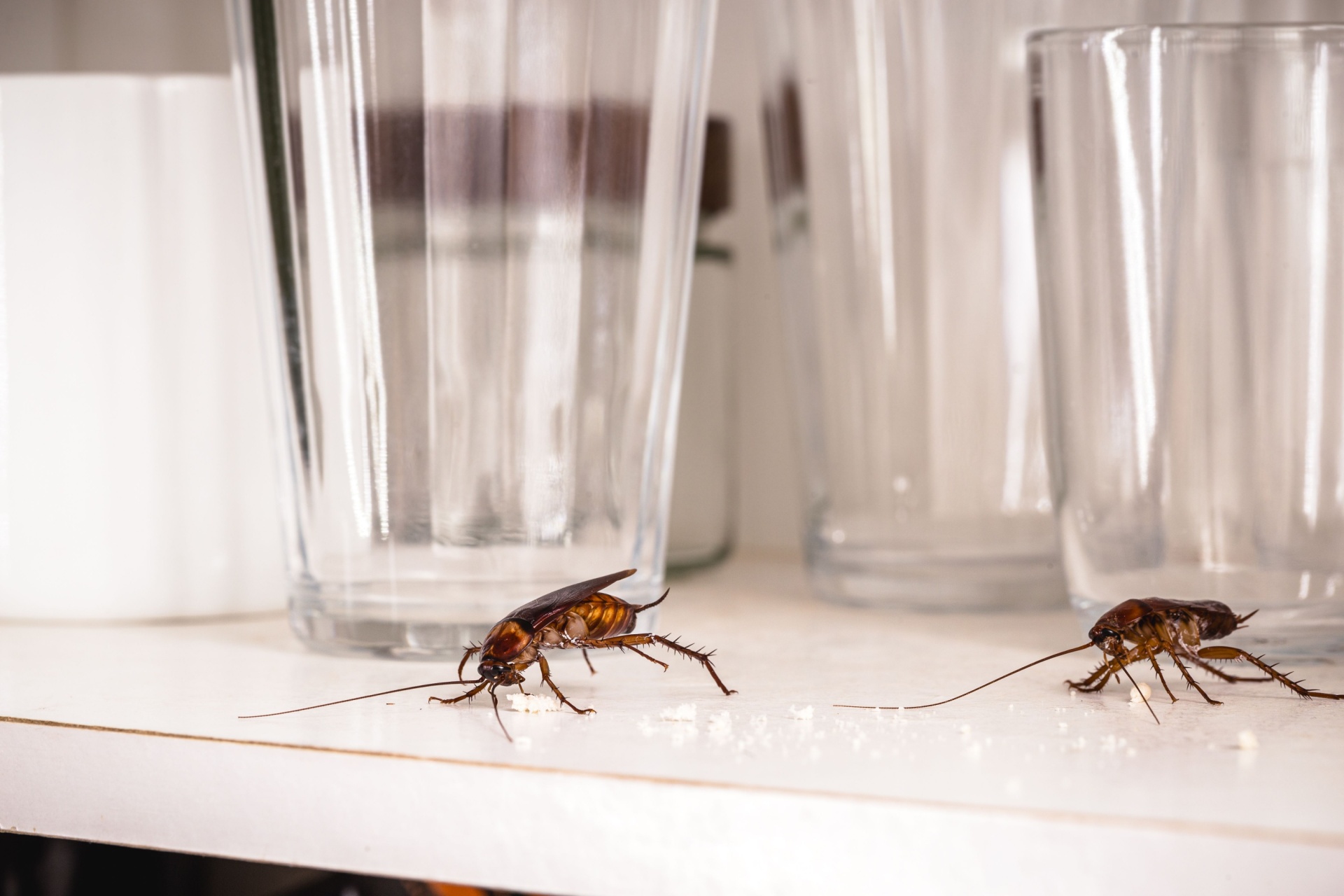
The American cockroach is the species found most often around waterfront homes, and it thrives in the warm, damp conditions near canals and seawalls. Smaller numbers of Australian and smoky brown cockroaches also live in this setting, sheltering in palm trees, wood piles, and dense ground cover. All of them are drawn to the same mix of moisture and shelter that waterfront landscaping provides, and all of them will move indoors when conditions outside turn too wet or too dry.
Water Gives Roaches a Way In
Beyond shelter, waterfront homes often have more routes indoors. Plumbing for outdoor showers, dock utilities, and irrigation creates penetrations through exterior walls, and roaches follow these lines toward the moisture inside. Boats and dock storage that move between the water and the garage can carry roaches along with them. Pool enclosures and screened lanais, common on waterfront homes, also collect insects and provide sheltered edges where roaches gather before moving toward the house. The closer a home sits to standing or slow-moving water, the more chances roaches have to find their way inside.
Keeping Roaches Off a Waterfront Property
Controlling roaches near the water depends on managing the exterior conditions as much as treating indoors. That means addressing the harborage in landscaping and seawalls, treating the perimeter, and closing the gaps where plumbing and utilities pass through the walls. Routine attention matters more here than on an inland lot, because the conditions that attract roaches are built into the setting and do not go away on their own. Trimming landscaping back from the walls, clearing debris from docks and storage, and keeping mulch thin near the foundation all reduce the shelter available close to the home. A waterfront home rarely stays clear with indoor treatment alone, since the surrounding environment keeps supplying new roaches.
To protect a home along the water, schedule an inspection and let our team build a plan suited to a waterfront property.