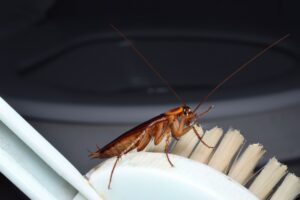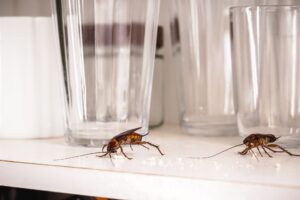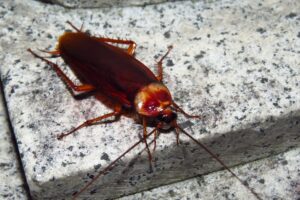
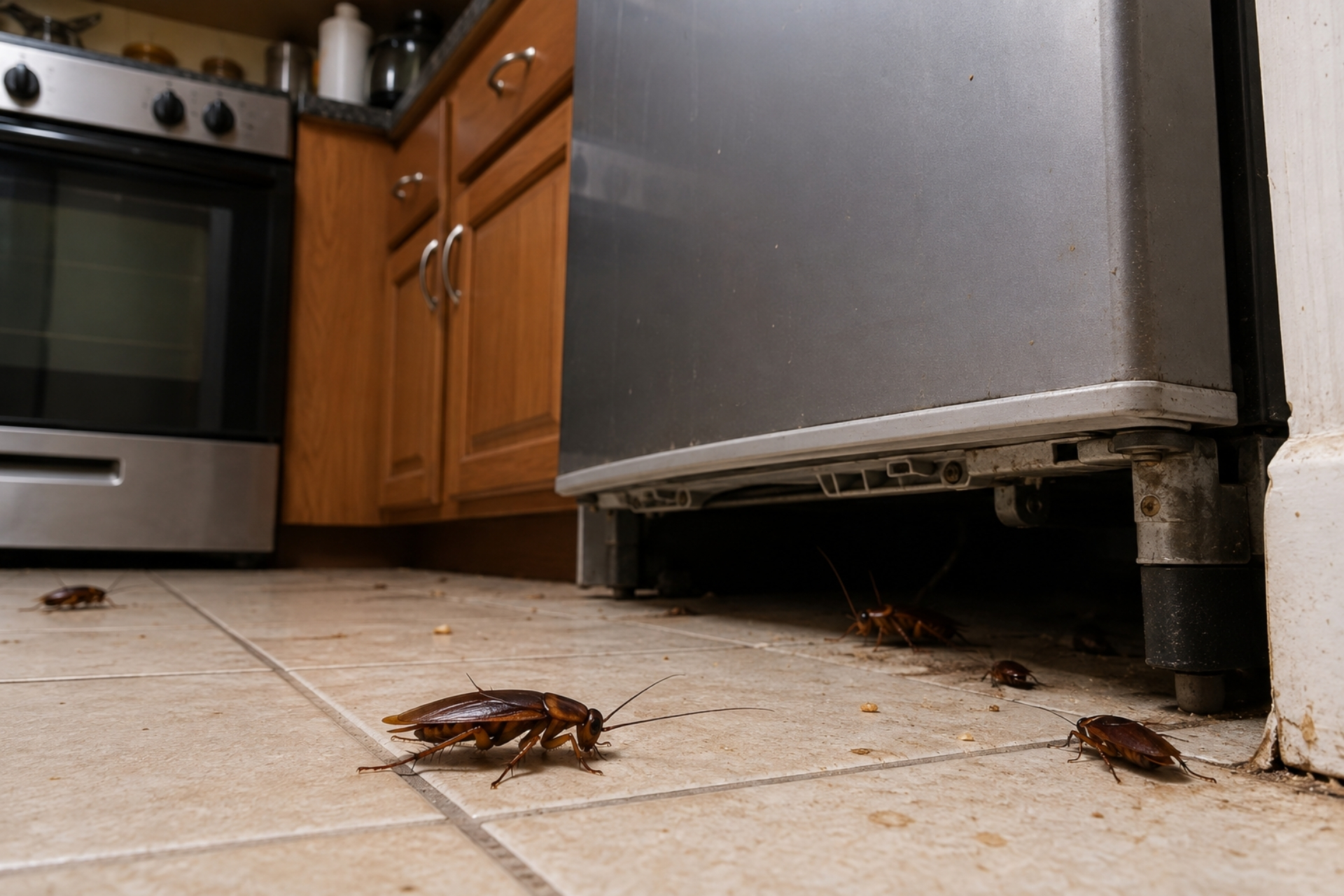
During Florida’s rainy season, outdoor cockroaches often leave saturated mulch, drains, leaf litter, and other low hiding places for drier shelter. Your Fort Myers home can become the nearest refuge, especially when gaps lead into a garage, kitchen, bathroom, or wall void. Professional pest control in Fort Myers can determine whether the roaches wandered in after rain or are part of an indoor population.
A Downpour Can Flood Their Shelter
Cockroaches need moisture, but flooded harborages are unstable. Heavy rain can fill cracks, soak organic debris, and disturb spaces around slabs and landscaping. Large species that commonly live outdoors may move across foundations and under doors as they search for protected conditions. Wind can also drive water beneath thresholds and expose openings that stay unnoticed in dry weather.
The sudden appearance feels as if the roaches arrived all at once. In reality, they may have been living a few feet from the structure. Rain changed their route and made their movement visible.
The Type of Roach Changes the Explanation
Small tan German cockroaches usually live close to indoor food and water, reproduce inside structures, and may be transported in boxes, bags, appliances, or other items. Rain might affect when you notice them, but it is rarely a complete explanation for a kitchen population. Small roaches seen during the day, droppings near cabinet hinges, or young roaches of several sizes suggest established indoor activity.
Why Kitchens and Bathrooms Become Destinations
A cockroach entering a house looks for moisture, darkness, tight shelter, and food. Kitchens supply crumbs, grease film, trash residue, and appliance warmth. Bathrooms and laundry rooms offer plumbing penetrations, condensation, and damp spaces beneath sinks. Garages provide cardboard, pet food, and undisturbed storage near exterior doors.
Cockroaches can flatten their bodies into narrow cracks. Openings around pipes, gaps beneath doors, torn screens, and unfinished wall penetrations may be enough. Once inside, they tend to follow edges and hide where two surfaces meet, which is why activity often appears along baseboards and cabinet corners.
Why Spraying the One You See Falls Short
The visible roach is only evidence of a larger problem. A broad spray may kill that individual without addressing the route, moisture source, egg cases, or hidden group. Some products can also move roaches deeper into voids or contaminate bait placements. Mixing products or applying them contrary to the label creates avoidable risk.
Inspection comes first. Species, size, time of sighting, and location all help distinguish an outdoor visitor from indoor reproduction. Monitoring devices placed in appropriate areas can reveal travel paths and show whether activity is concentrated near a door, plumbing line, appliance, or cabinet.
Drying and Exclusion Reduce the Welcome
After heavy rain, repair leaks and dry wet cabinets or storage areas. Replace worn door sweeps and weatherstripping. Seal accessible gaps around utility penetrations with material suited to the opening, and repair screens. Keep gutters moving water away from the structure, and avoid letting wet leaves or thick mulch collect against exterior walls.
Indoors, clean grease from the sides and undersides of appliances, store pantry food and pet food in sealed containers, and empty trash regularly. Do not leave dishes or pet bowls with residue overnight. Cardboard should be reduced in damp garages because corrugations offer protected hiding spaces.
When the Pattern Suggests a Larger Problem
One large roach found near an exterior door after a storm is different from nightly kitchen sightings. Pay closer attention if you see small roaches, nymphs, pepper-like droppings, egg cases, or activity in several rooms. Daytime sightings can occur when hiding areas are crowded or disturbed, although time of day alone cannot measure the size of an infestation.
Repeated sightings can indicate that cockroaches have found dependable shelter, food, or moisture inside your home. An inspection can identify the species, locate the areas where activity is concentrated, and uncover entry points or damp conditions that are allowing the problem to continue.
Pay attention to where the cockroaches appear and whether you are seeing large adults, small roaches, or several different sizes. A clear photograph can also help with identification. These details can help distinguish an outdoor cockroach displaced by rain from a population that is living and reproducing indoors.
If cockroaches keep appearing after the ground dries, ask Pest Solutions Plus to evaluate your home and trace the activity to its likely harborages, moisture sources, and entry routes.