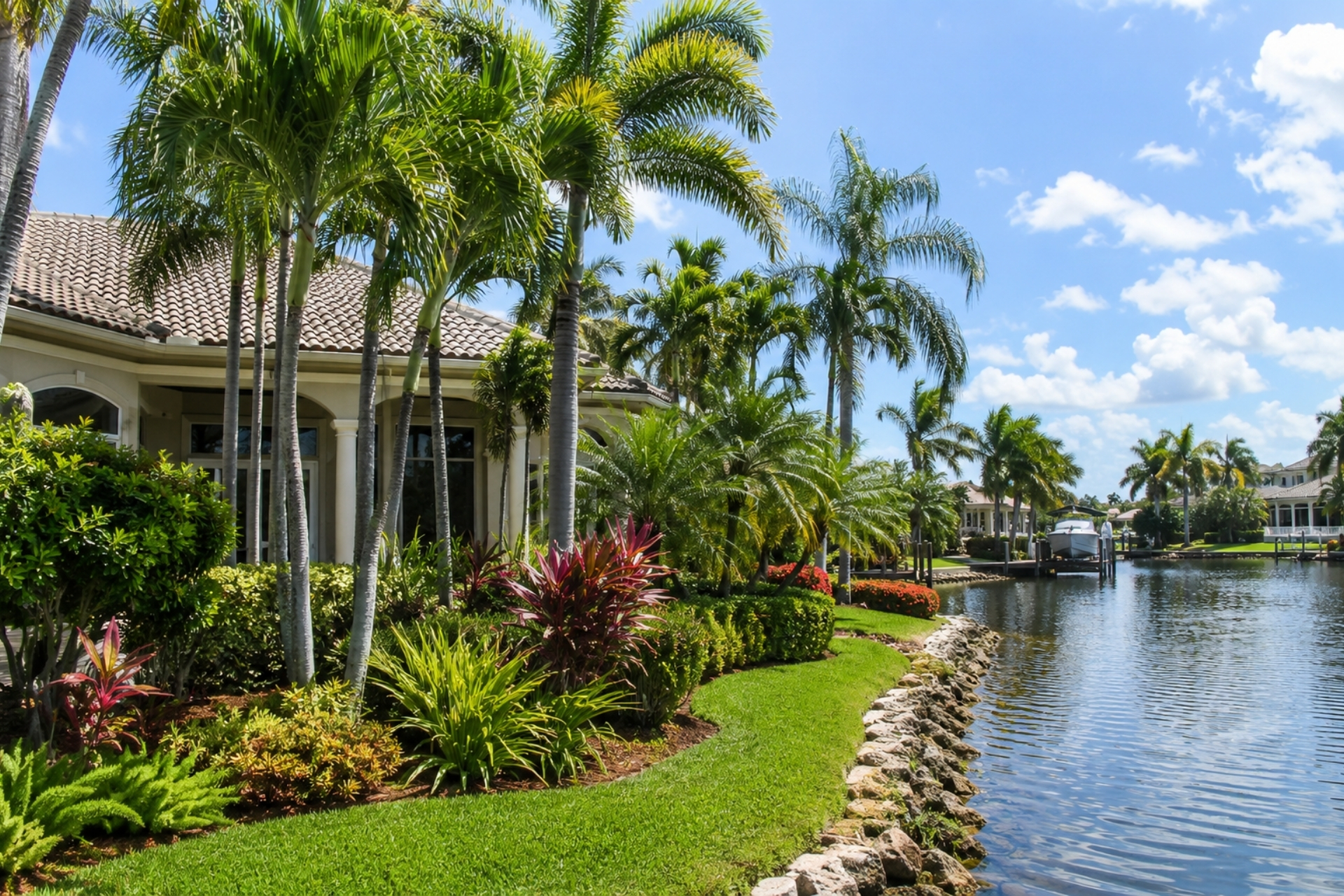
Naples homes near canals, ponds, preserves, or heavily planted yards may experience greater pest pressure because water, humidity, shade, and vegetation create food, shelter, and travel routes close to the structure. Individual properties vary, so prevention needs to account for the site rather than assuming every waterfront or landscaped home will have an infestation. Local pest control in Naples can connect indoor sightings to the property conditions outside.
Water Supports Several Pest Pathways
Open water is only part of the picture. Irrigation, plant saucers, clogged drains, low landscape areas, pool equipment, and containers can hold small amounts of water after rain. Mosquito larvae develop in standing water, while damp soil and organic debris support insects that become food for spiders and other predators.
Moisture also affects pest movement. Ants and outdoor cockroaches may shift toward higher shelter after saturated ground, and rodents need reliable water nearby. A canal or pond does not send pests directly into a home; the risk grows when attractive conditions connect to an easy entry route.
Dense Plants Create Shade and Cover
Layered shrubs, groundcover, palms, and vines can keep the soil shaded and reduce airflow. Fallen leaves and thick mulch retain moisture and provide protected spaces for cockroaches, ants, millipedes, and other small arthropods. Those organisms can support a larger outdoor food web near the house.
Vegetation touching siding, screens, gutters, or the roof can also act as a bridge. Ants travel along branches, and roof rats are capable climbers. Vines may conceal cracks or damaged surfaces that would otherwise be visible during maintenance.
Irrigation Can Keep a Perimeter Damp
An irrigation system that oversprays the foundation or runs too frequently can keep mulch and walls damp between rains. Broken heads may create puddles, while poor drainage leaves water in low spots. Adjusting irrigation to plant needs and repairing leaks reduces unnecessary moisture without sacrificing the landscape.
Watch for water striking doors, lanais, and exterior walls. Staining, algae, or consistently damp mulch can show where the schedule or nozzle direction needs attention. A drainage or irrigation professional may be needed when grading, equipment, or a persistent leak is involved.
The Lanai Is a Transition Zone
Screens reduce pest entry, but small insects can pass through ordinary mesh or slip around worn frames, door sweeps, and utility penetrations. Lights draw many flying insects toward the lanai at night. Spiders then build where prey gathers, and small geckos or frogs may follow the same food source.
Repair torn screens and gaps, ensure doors close fully, and consider using outdoor lighting only where needed. Moving a bright fixture away from an entry may reduce the number of insects gathering at that specific doorway. Clean debris from screen tracks and keep stored items organized so new activity is easier to notice.
Landscape Maintenance Can Lower Pressure
Create a visible inspection space next to the structure where practical. Keep mulch at an appropriate depth and away from direct contact with siding. Remove leaf litter, fallen fruit, and dead plant material. Trim branches and fronds away from rooflines, and thin overly dense growth to improve airflow while following sound horticultural practices.
Secure trash, store pet food indoors, and clean outdoor kitchens and grills. These food sources can attract ants, cockroaches, flies, and rodents regardless of how close the home is to water.
Prevention Should Match the Property
A house bordering a preserve may receive insects from beyond the lot line. A canal-side home may have different mosquito and wildlife pressure than an inland property. Treatment alone cannot change the surrounding ecosystem, so the useful goal is to reduce breeding and shelter on the property, block entry, and focus service on the pests found.
Seasonal inspections can catch screen damage, roof gaps, moisture, and new trails before they become established indoor problems. Identification also keeps beneficial or incidental outdoor organisms from being treated as structural pests without evidence.
Map recurring activity by side of the home. The canal-facing wall, a shaded equipment area, or a densely planted entry may have a different moisture and pest pattern than an open, sunny elevation. That comparison helps prioritize pruning, drainage, screen repair, and monitoring where they can have the greatest practical effect.
Changes should remain balanced with the property’s landscape and water-management needs. Avoid clearing vegetation indiscriminately or directing runoff toward neighboring lots and waterways. Qualified landscape, irrigation, or drainage professionals can correct site issues that extend beyond routine maintenance.
If your Naples home’s water access or landscaping seems connected to recurring pest activity, request a property-specific assessment from Pest Solutions Plus to prioritize the conditions and entry routes that deserve attention.