
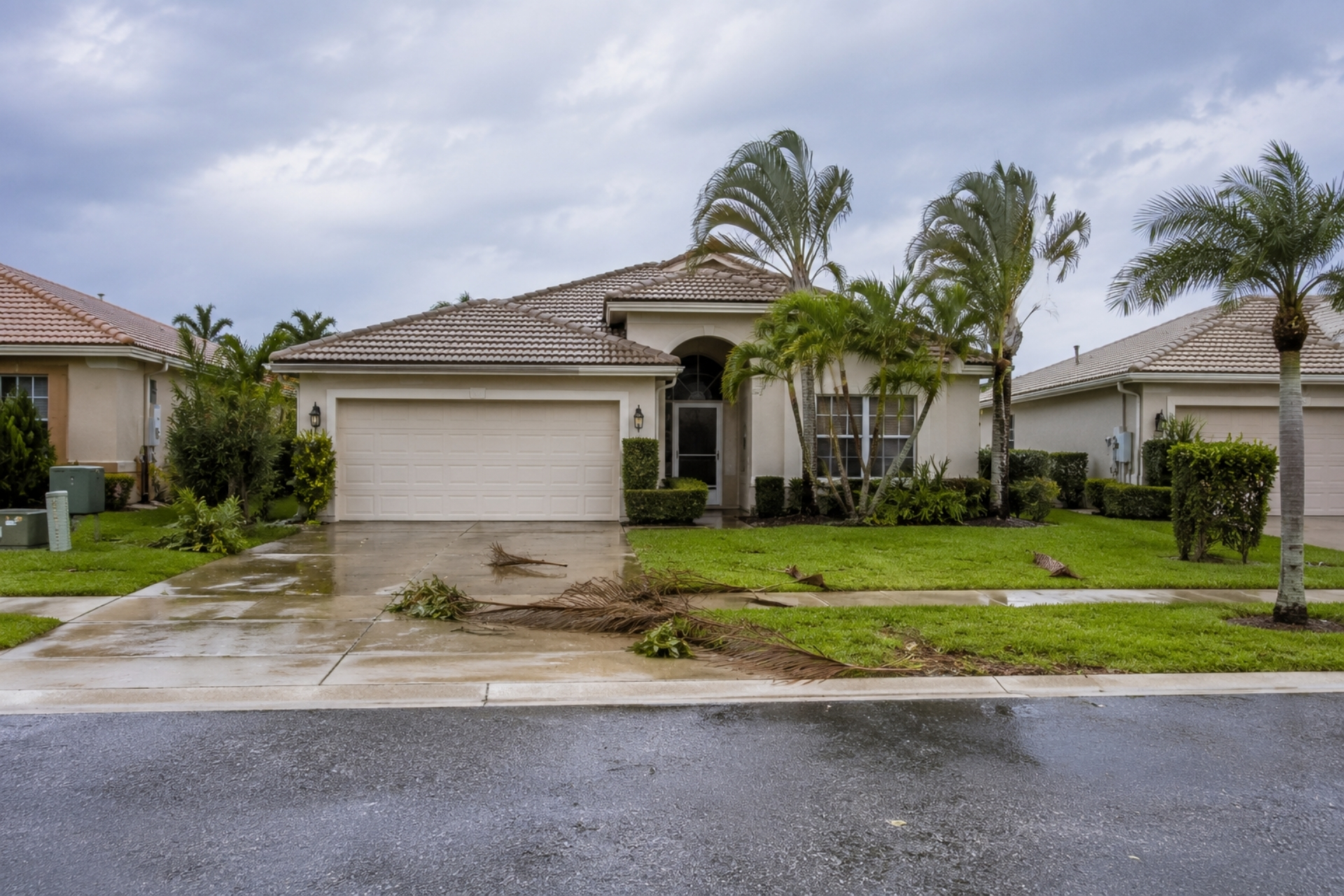
A hurricane can change pest pressure around a Fort Myers home within hours and create new problems over the next several days. Flooded harborages push insects and rodents toward shelter, standing water supports mosquitoes, and damaged building materials open new routes indoors. Once immediate safety concerns are resolved, pest control in Fort Myers can help separate temporary storm activity from a problem that needs focused treatment.
Put Safety Ahead of Pest Inspection
Wait for local officials to say conditions are safe before walking the property. Do not enter floodwater, approach downed lines, climb onto a damaged roof, or reach into debris where animals or sharp materials may be hidden. Suspected structural, electrical, gas, or contaminated-water hazards belong with the appropriate emergency or repair professional.
You can still collect useful information from a safe location. Take photos of damaged screens, doors, soffits, vents, and wet areas. Note where you see pest trails, droppings, wings, nests, or standing water. This record helps a pest professional understand what changed after the storm.
The First Problems May Be Displaced Pests
- Ants and outdoor cockroaches may move from flooded soil, mulch, drains, or debris toward higher, drier areas.
- Roof rats and other rodents may use broken vents, shifted soffits, open garage doors, or storm-damaged roof edges.
- Flies can gather where wet organic material, spoiled food, or uncollected debris remains.
- Wildlife may shelter beneath displaced materials, so avoid handling debris blindly.
These pests were not generated by the storm. Their shelter and travel routes changed. Closing an obvious gap can help, but do not seal a suspected animal inside a wall or attic. Confirming whether the space is occupied is part of responsible exclusion.
Mosquito Pressure Often Rises Later
Rainwater left in buckets, tarps, toys, clogged gutters, plant saucers, and damaged equipment can support mosquito development. Some floodwater mosquito eggs hatch when water covers them, while container-breeding species use small collections around homes. In warm conditions, certain mosquitoes can develop from egg to adult in about seven to ten days.
Empty and scrub movable containers once it is safe. Turn them over or store them under cover so the next storm does not refill them. Keep pools maintained according to professional guidance and remove water from pool covers. Large flooded areas and drainage problems may require local public works or mosquito-control assistance rather than a homeowner solution.
Water Intrusion Can Extend Indoor Activity
A roof leak or wind-driven rain may dampen insulation, drywall, cabinets, and wood trim. Cockroaches, ants, and other moisture-seeking pests can use those areas after the weather improves. Wet cardboard and stored paper provide shelter, while spoiled food and unsecured trash add food sources.
Drying the structure protects the home and reduces pest-supporting conditions. Follow qualified remediation guidance for soaked materials and possible contamination. Run equipment only when electrical conditions are safe. A pest treatment cannot substitute for stopping a leak or removing material that cannot be dried.
Termite Clues Need Careful Interpretation
Moisture and storm damage can expose wood or create conditions that deserve inspection, but a hurricane does not instantly produce a mature termite colony. Watch for mud tubes, damaged wood, discarded wings, or groups of winged insects. Flying ants and termite swarmers are easy to confuse, particularly when specimens are wet or missing wings.
Save an intact sample in a sealed container or take a close, well-lit photo. Avoid tearing into structural wood simply to investigate. A termite inspection can identify the insect and determine whether the evidence points to an active issue.
A Practical Post-Storm Pest Check
- Remove or secure water-holding containers and clear accessible drainage routes.
- Discard spoiled food and bag household waste according to local collection instructions.
- Inspect door sweeps, screens, garage edges, vents, and visible utility penetrations.
- Move dry, salvageable storage off floors and away from walls; discard water-damaged cardboard appropriately.
- Record droppings, gnawing, insect trails, shed wings, or scratching sounds instead of disturbing the area.
Storm cleanup can scatter pests and erase clues, so photographs and notes are useful. If you use any pesticide, follow its label exactly and never apply it to floodwater, food-contact surfaces, or inaccessible voids unless the product specifically allows that use.
Continue checking for a couple of weeks as recovery progresses. A repaired screen can solve an immediate route, yet mosquito development or concealed moisture may appear later. Coordinate pest work with roof, plumbing, drainage, and remediation repairs so each trade can address its part of the problem without covering up evidence another professional needs.
If pest activity continues during recovery, contact Pest Solutions Plus for a post-storm assessment focused on safe access, new entry points, moisture, and the pests actually present.