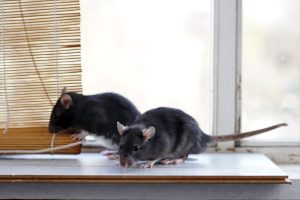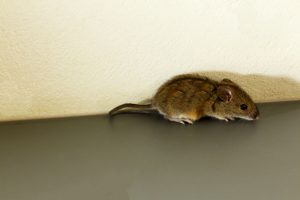
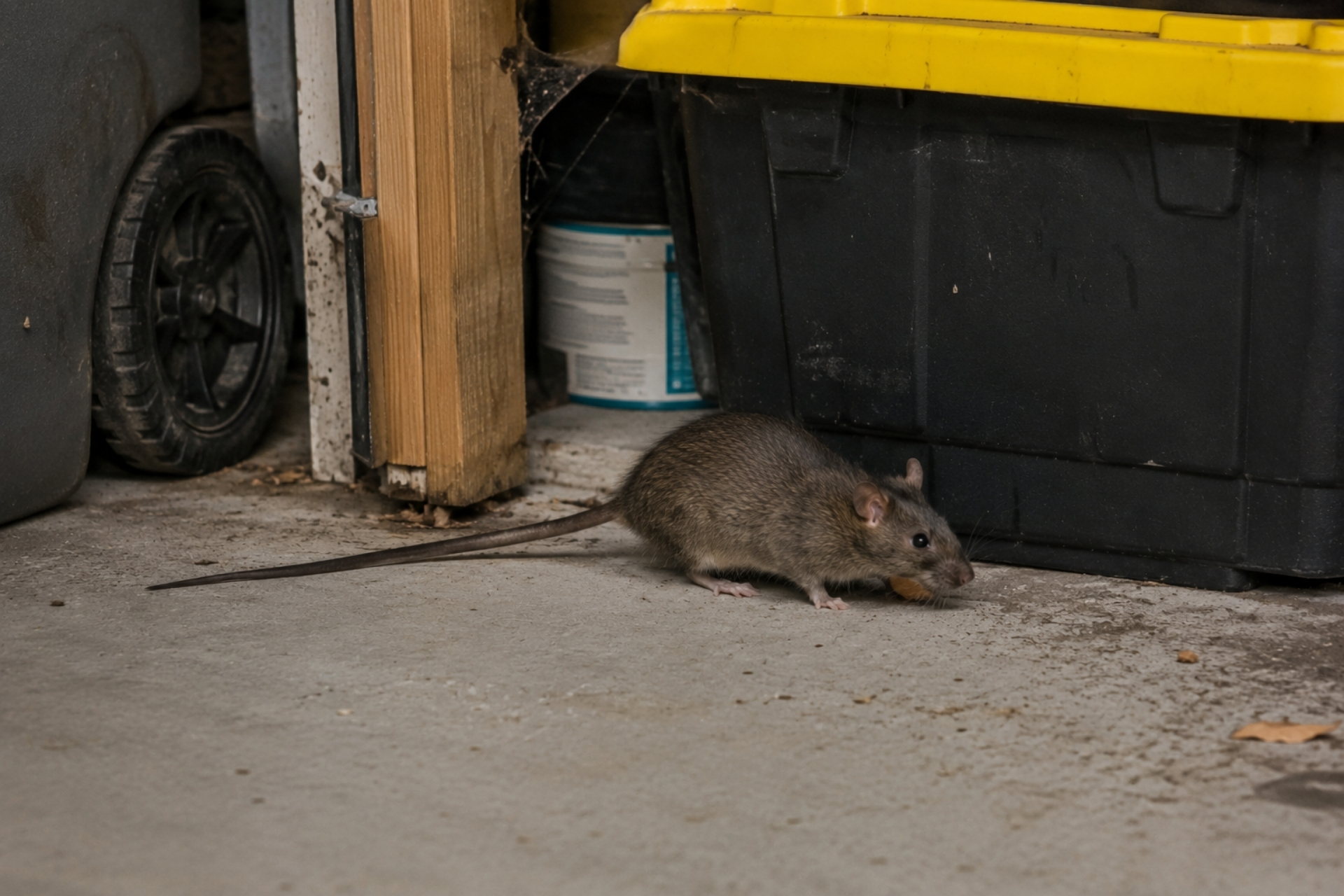
Roof rats remain active year-round in Southwest Florida, but fall is a practical time to inspect because summer storms may have damaged roof edges and the coming cooler, drier stretches can shift where rodents seek shelter. A careful check can reveal vulnerable soffits, vents, fascia, and utility gaps before scratching sounds begin. Professional rodent control in Fort Myers combines inspection, removal, and exclusion when roof rats have already entered.
Roof Rats Are Built for Upper-Level Access
Roof rats are agile climbers. Palms, fruit trees, fences, vines, utility routes, and attached structures can help them reach roofs and attic openings. Once inside, they may travel along beams, nest in insulation, and descend through wall voids while searching for food and water.
Their climbing ability is why an inspection focused only at ground level can miss the route. You may hear movement overhead even though there is no obvious hole near the foundation.
Why Fall Creates a Useful Inspection Window
Florida does not have a sharp rodent season comparable to colder states. Roof rats can use homes in any month. Fall still offers a sensible maintenance checkpoint after months of heat, rain, tropical weather, and vigorous plant growth. Screens loosen, sealants age, soffit panels shift, and branches move closer to rooflines.
Holiday storage also brings people into garages and attics, where droppings, gnaw marks, or disturbed insulation may become visible. Discovering those signs early gives you time to identify the animal and plan removal before closing openings.
Entry Points Worth Checking From Safe Ground
- Garage-door corners, worn sweeps, and gaps where the door meets the floor
- Soffit and fascia areas that look loose, stained, chewed, or storm-damaged
- Roof and gable vents with missing or damaged screening
- Openings around air-conditioning lines, cables, pipes, and other penetrations
- Tree limbs, vines, or palm fronds touching or overhanging the structure
- Exterior storage, fences, and stacked materials that create sheltered travel routes
Do not climb onto a roof or enter a tight attic without appropriate training and equipment. Binoculars, photographs, and observations from the ground can document concerns for a qualified professional.
Signs of Active Roof Rats
Scratching or running sounds after dark, capsule-shaped droppings, greasy rub marks, gnawed food packaging, shredded nesting material, and damaged wiring can indicate rodents. A pet staring at a wall or ceiling may also draw attention to movement, though that behavior is not proof by itself.
Droppings should be handled cautiously. Avoid sweeping or vacuuming dry rodent waste, which can put contaminated particles into the air. Follow current public-health cleanup guidance and use professional help when contamination is extensive or located in insulation and confined spaces.
Exclusion Has to Follow Removal
Sealing a route while a rat is still inside can trap it in the structure and cause new damage as it searches for another exit. Effective rodent work begins by confirming activity, likely numbers, travel paths, and access points. Trapping and monitoring may be needed before final closure.
Repair materials must also resist gnawing and fit the construction detail. Foam alone is often inadequate for rodent exclusion. Roof transitions, vents, and utility penetrations may need different materials and sometimes coordination with a roofer or other building professional.
Reduce Food, Water, and Climbing Routes
Store pet food, birdseed, and pantry overflow in sturdy sealed containers. Pick ripe or fallen fruit and secure trash lids. Clean grills and outdoor food-preparation areas. Correct accessible leaks and avoid leaving pet bowls outside overnight.
Trim vegetation away from the roof when it can be done without harming the plant or creating a hazard. Keep stacked materials off exterior walls, and organize the garage so edges remain visible. These steps improve inspection access and remove shelter, even though they cannot replace exclusion at an active opening.
A Quiet Attic Can Still Deserve Attention
Roof rats are cautious, and activity may be intermittent. Noises can also come from lizards, birds, squirrels, or building movement. Identification prevents the wrong control method and helps avoid trapping wildlife unintentionally.
An inspection should look beyond the opening itself. Dark rub marks, tracks in dusty areas, damaged insulation, and travel routes between food and shelter help confirm use. Exterior conditions matter too: fallen fruit, accessible trash, bird seed, and dense roofline vegetation can keep pressure high after one gap is repaired. Monitoring after exclusion helps verify that the structure is clear and the repair is holding.
Treat attic cleanup as a separate safety issue. Contaminated insulation and nesting material may require protective equipment and specialized removal. Do not handle live traps or corner a rat in a confined area. A coordinated plan reduces contact risk and prevents a rushed repair from pushing the animal into occupied rooms.
If you find droppings, gnawing, or a suspicious roofline gap this fall, arrange a rodent inspection with Pest Solutions Plus so removal and exclusion happen in the right order.