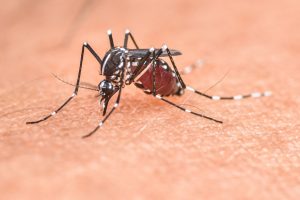
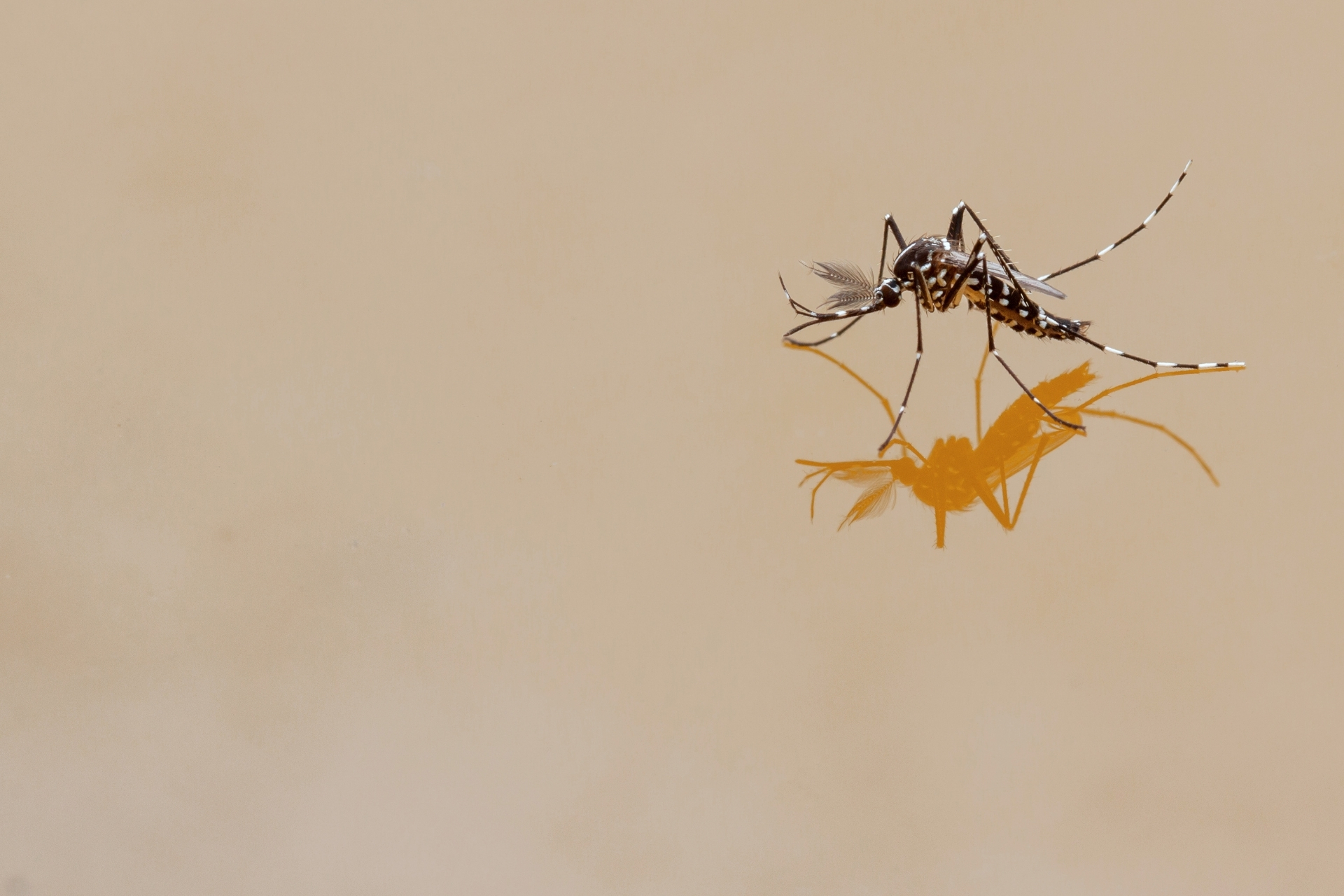
A noticeable mosquito surge can develop about a week after heavy rain in Fort Myers because some common container-breeding mosquitoes can grow from egg to adult in roughly seven to ten days under warm conditions. Floodwater species may also emerge after rain covers dormant eggs. Mosquito control in Fort Myers can target breeding and resting areas when emptying containers is not enough to bring yard pressure down.
Rain Activates Habitat That Was Easy to Miss
Mosquitoes do not need a pond. A bottle cap, plant saucer, folded tarp, toy, wheelbarrow, gutter, or hollow landscape feature can retain enough water for larvae. Eggs from some Aedes mosquitoes stick to container walls just above the waterline and can survive dry periods. When a storm raises the water, those eggs hatch.
Floodwater mosquitoes use a different strategy, placing eggs where periodic water will cover them. After widespread rain, many sites can become active at once. The adult mosquitoes you notice immediately after a storm may have already been present, while the new generation develops in the water left behind.
The Seven-to-Ten-Day Window Is a Warning, Not a Promise
Temperature, species, food, shade, and water conditions influence development. The often-cited seven-to-ten-day cycle applies to some container-breeding mosquitoes in favorable warmth. Cooler conditions can slow it, and some sites fail to produce adults. Still, waiting a week to check the yard gives mosquitoes time to progress through aquatic stages.
Source reduction works best early. Once adults emerge, removing the original water stops further production but does not remove mosquitoes already flying and resting in vegetation.
Look Beyond the Pool for Small Water Sources
A properly circulated and maintained swimming pool is less suitable than stagnant water in neglected containers. Trouble often develops on a pool cover, inside a clogged skimmer area, in decorative pots, or in equipment that catches rain. Lanais can trap small containers out of direct view, and dense plants provide shaded resting sites for adults.
Inspect the entire outdoor living area rather than focusing only on the largest water feature. Water collecting behind a storage bin or in a corrugated drain extension can be productive precisely because it remains undisturbed.
A Weekly Yard Reset Breaks the Cycle
Choose one day each week to empty and scrub items that can hold water. Turn buckets, toys, and wheelbarrows upside down. Tightly cover rain barrels or other stored water with an appropriate lid or fine mesh. Refresh birdbaths and clean their sides. Remove debris that blocks gutters and drains where you can do so safely.
Check irrigation as well. A broken head or overwatering schedule can keep low areas wet even when rainfall pauses. Correct drainage or irrigation problems instead of repeatedly dumping water from the same location.
Adult Mosquitoes Need Resting Areas Too
Many adult mosquitoes rest in humid, shaded vegetation during part of the day. Thick shrubs, overgrown groundcover, and clutter beneath decks can provide protection from sun and wind. Pruning for airflow and removing unnecessary debris can make the immediate area less favorable, although landscaping changes will not eliminate mosquitoes arriving from neighboring properties or natural areas.
Fans can help on a porch because mosquitoes are weak fliers in strong air movement. Screens should fit tightly and be repaired where torn. These measures reduce bites in a defined space without addressing the wider population.
When Professional Mosquito Control Helps
A professional inspection looks for container habitat, drainage patterns, vegetation, and likely adult resting zones. Pest Solutions Plus lists monthly mosquito reduction plans and mosquito misting systems among its services. The appropriate option depends on the property, mosquito pressure, outdoor-use goals, and surrounding habitat.
Mosquitoes can still cross a property line after any treatment, especially following regional flooding. The realistic goal is to reduce breeding on the property and lower adult activity in the spaces your household uses. Continuing weekly water checks remains important between professional visits.
Track the yard by zone rather than relying on a general impression. Compare the pool deck, shaded side yard, dense shrubs, front entry, and any drainage area at the same time of day. If one zone consistently produces more bites or resting adults, that pattern can direct inspection toward overlooked containers, vegetation, or water movement instead of spreading effort evenly across the lot.
Neighbors’ yards and public drainage areas can contribute mosquitoes that cross property lines. You cannot control every surrounding source, but you can prevent your lot from adding another generation. Report persistent public drainage or flooding concerns through the appropriate local channel and keep household source reduction focused on areas you can safely maintain.
If your yard becomes difficult to use after every major rain, contact Pest Solutions Plus to discuss a mosquito plan built around the water sources, vegetation, and outdoor areas on your Fort Myers property.