When you return to your Naples home after a summer away, check accessible rooms and storage areas for droppings, chewing, nesting material, and unusual odors before unpacking everything. Rodents may use quiet parts of an unoccupied house when they find access and shelter. At Pest Solutions Plus, our rodent control services help you investigate those signs and determine what needs attention before you settle back in.
Begin with a calm walk through the house. Keep luggage and food deliveries away from questionable areas until you understand what you have found. A few photographs and notes can help guide an inspection without disturbing concealed spaces.
Make the First Walk Through Useful
Start in the kitchen, pantry, laundry area, and garage. Open accessible cabinets and look along the back edges with a flashlight. Check beneath the sink for waste or damage around pipes, and inspect food packages left in the house for gnaw holes.
If someone checked the property during your absence, ask what they noticed and when. A recent report of droppings or a damaged vent helps narrow the timeline. The appearance of waste alone gives limited information about when rodents arrived, especially after several months without close inspection.
Notice any changes in the house before moving storage. A musty or unusual smell can have several causes, including moisture or a plumbing problem. Record the location and supporting signs rather than deciding the cause from the odor alone.
Check the garage separately, including stored seed, pet food, and cardboard boxes. A house can have an issue in an attached storage space while the main rooms initially appear clear. Keep the connecting door closed and leave enough space around shelving for inspection.
Look Outside Before Assuming the Problem Is Indoors
Walk the accessible perimeter from the ground. Look for a damaged vent, loose door seal, roof damage you can see safely, or vegetation touching the structure. Summer weather and maintenance work may have changed the building since your last visit.
A roof rat can climb toward an elevated opening using trees, fences, or other features. Ground-level access also needs consideration. A possible opening becomes more meaningful when fresh gnawing, droppings, or a documented route is nearby.
Avoid climbing onto the roof or reaching into dense plants. If damage is near electrical service or in a difficult location, arrange an appropriate professional assessment. Ground-level photographs can help us decide which areas require closer access.
Leave suspected active entrances open until the animals inside have been considered. Immediate sealing may trap rodents in the house or redirect them into occupied rooms. We can explain how control and exclusion should be sequenced once the findings are clearer.
Handle Food and Contaminated Areas Carefully
Discard food with signs of rodent contact, including chewed packages and items exposed to droppings. Put replacements in durable containers with secure lids. Check the shelf and surrounding cabinet before restocking so newly found damage can be distinguished from the original problem.
Do not sweep or vacuum dry rodent waste. Keep children and pets away, and photograph the location before cleanup. A small accessible area may be managed with suitable gloves and a labeled disinfectant used according to its instructions, while widespread contamination needs additional assessment.
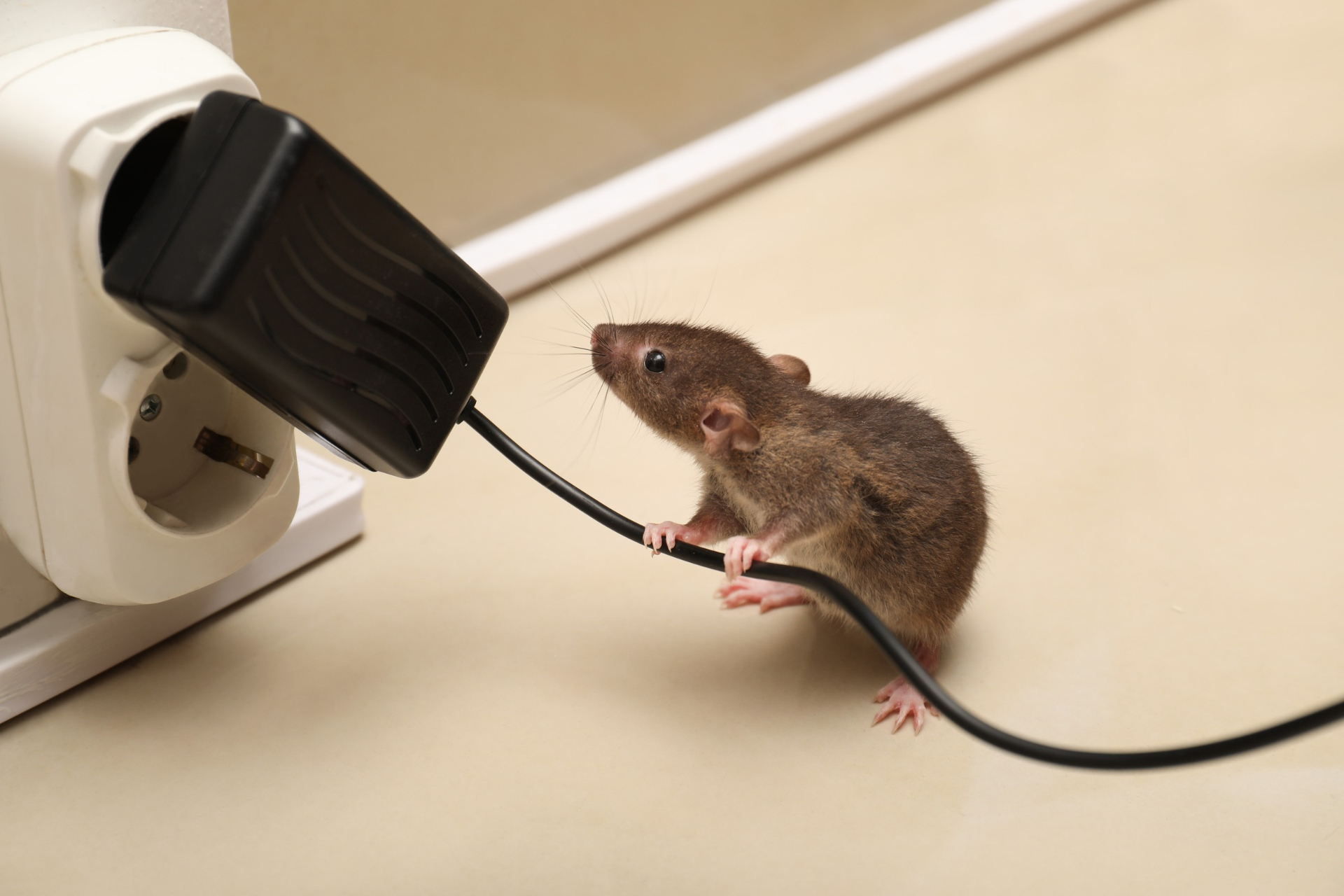
A box containing a nest should remain in place while you seek guidance. Carrying it through the house can spread waste. If rodents have damaged insulation, wiring, or an appliance, pest control and the relevant repair or cleanup work may need to be coordinated.
Your first day back is also a good time to check for water leaks and other maintenance concerns. These can exist alongside a pest problem and need their own professional attention. Keep a separate note of each issue so an odor or damaged material is investigated by the right person.
Decide Whether an Inspection Is Needed
A single uncertain mark may call for identification, while repeated droppings, clear gnawing, or a live rodent justify a closer inspection. We assess the animal, the locations it uses, and possible entrances. That helps determine whether control, exclusion, or further monitoring is appropriate.
Tell us which rooms were closed, what food remained, and whether contractors entered during the summer. Share photographs taken before you moved materials. These details help us understand the house’s conditions without assuming how long rodents have been present.
Ask what follow-up will include and which changes you can make while work proceeds. Securing food, clearing safe access, and managing nearby vegetation can support the plan. Devices need protected placement and regular checking, so avoid adding loose bait or moving equipment without guidance.
Before your next departure, arrange appropriate property checks and review openings or storage issues identified this season. A documented baseline makes a later change easier to recognize. Keep records of repairs and pest work with the home information used by anyone checking the property.
If your return walk through turns up suspected rodent signs, contact our team about your Naples home. We can evaluate what you found, investigate access routes, and help you plan the next steps before routine unpacking and storage hide the areas that need attention.