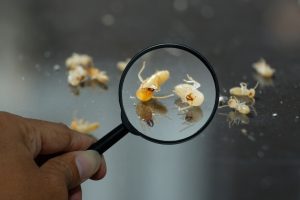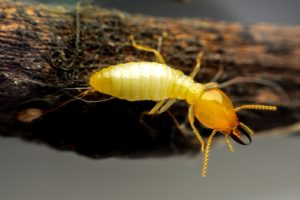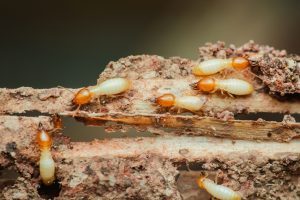
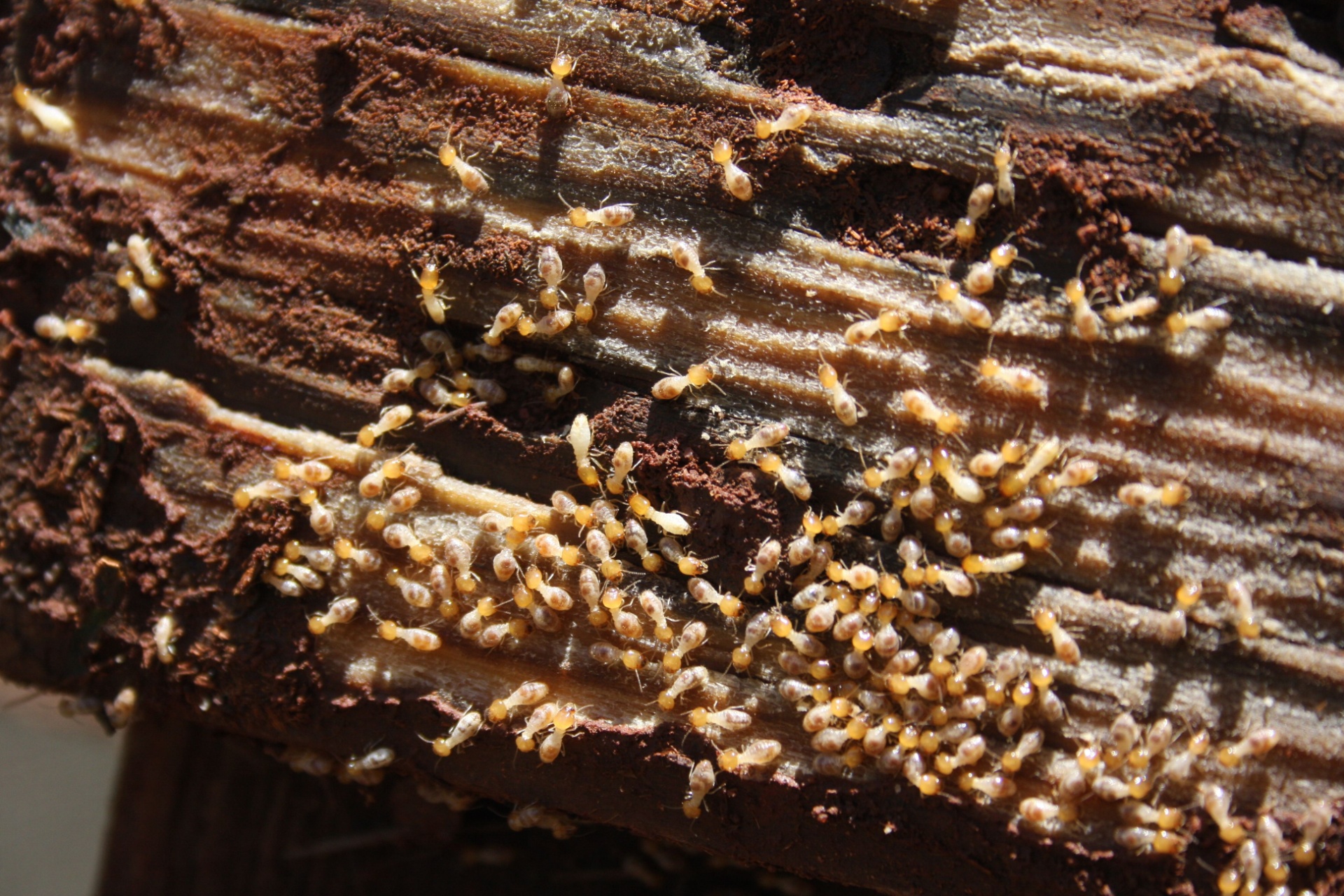
Termites cause more property damage in the United States than fires, floods, and storms combined—and Naples sits in one of the highest-risk zones in the country. The financial and structural consequences of a termite infestation in Southwest Florida are not hypothetical. They are a routine part of homeownership in a region where the climate keeps termite colonies active, feeding, and growing every day of the year. Here is why termites in Naples are a major problem and what makes this market different from most of the country.
Termites Never Stop in Southwest Florida
In states with cold winters, termite colonies slow their feeding and foraging during the coldest months. That seasonal reduction limits the annual damage a colony can produce and gives homeowners a window where the threat is lower.
Naples does not get that window. The warm, humid, subtropical climate of Collier County supports continuous termite activity in every month. Subterranean colonies in the soil feed year-round. Drywood colonies inside the wood grow year-round. The damage accumulates faster in Southwest Florida than in regions where cold weather interrupts the feeding cycle for three to five months each year.
This is one of the primary reasons Florida leads the nation in termite damage costs—and why Naples homeowners need to take termite protection seriously from day one of ownership.
The Damage Is Invisible Until It Is Expensive
Termites feed on wood from the inside. Subterranean termites consume wood along the grain, creating a honeycombed interior while the outer surface remains intact. Drywood termites do the same—building galleries inside the wood that weaken it structurally without producing obvious external signs until the damage is advanced.
By the time a homeowner notices sagging floors, sticking doors, crumbling baseboards, or visible structural damage, the infestation has typically been active for years. The cost at that point includes both treatment and repair—and the repair cost is often the larger number.
Early detection through regular professional inspections is the only reliable way to catch termite activity before it reaches this stage.
Both Termite Species Are Active in Naples
Many markets deal with one dominant termite species. Naples deals with two:
- Subterranean termites attack from below. Their colonies live in the soil. They build mud tubes to access the wood in the structure. A single mature colony can contain hundreds of thousands of workers. They are responsible for the majority of termite damage in Florida—consuming wood framing, sill plates, subfloor, and any structural wood accessible from the ground level.
- Drywood termites attack from above. They do not need soil contact. Swarmers enter through exposed wood surfaces—eaves, fascia, window trim, and attic framing—and establish colonies inside the wood. While individual drywood termite colonies are smaller than subterranean colonies, a single home can harbor multiple drywood colonies simultaneously in different wood members.
Treating one species does not protect against the other. A home treated for subterranean termites can still develop a drywood termite infestation, and vice versa. Comprehensive protection requires monitoring and treatment strategies for both.
Homeowners Insurance Does Not Cover Termite Damage
This is the detail that catches many Naples homeowners off guard. Standard homeowners insurance policies in Florida do not cover termite damage. The cost of treatment and the cost of structural repair come entirely out of the homeowner’s pocket.
That financial reality makes preventive termite protection one of the most cost-effective investments a Naples homeowner can make. The annual cost of a termite monitoring and treatment program is a fraction of what a single undetected infestation can cost in damage and repair.
What Makes Professional Treatment Essential
There is no effective consumer product for termite control. The products available at hardware stores—surface sprays, foam applications, and borate treatments—do not reach the colony (subterranean) or penetrate the wood deeply enough to eliminate an established infestation (drywood). Professional treatment is required.
Professional termite treatment in Naples may include liquid soil barriers applied around the foundation to kill subterranean termites accessing the structure, bait systems that eliminate entire colonies over time, spot treatments for localized drywood infestations, and in severe cases, structural fumigation for widespread drywood termite activity.
If termites are a concern for your Naples home—or if your home has never been professionally inspected—contact Pest Solutions Plus to schedule an inspection.