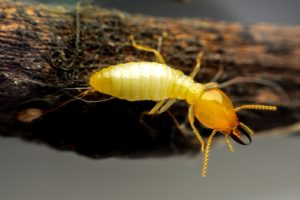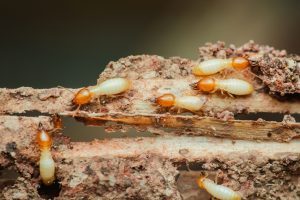
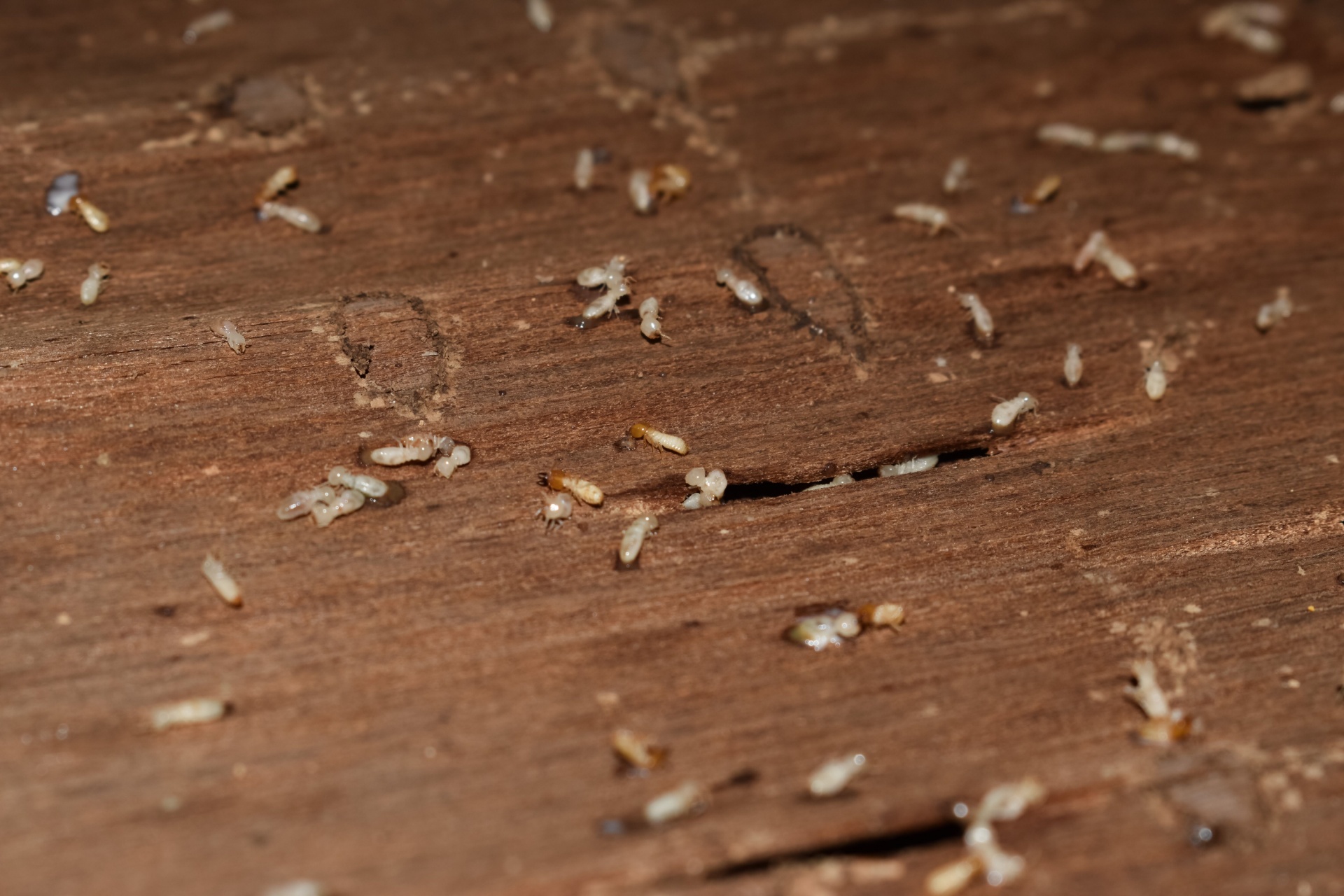
If you own a home in Naples, termites are not a question of “if”—they are typically a question of “when.” Southwest Florida has some of the highest termite pressure in the entire United States, and Collier County’s warm, wet conditions create an environment where termite colonies thrive year-round without interruption. Understanding how common termites actually are in Naples—and what that means for your property—is the first step toward protecting your home from the kind of damage that can cost thousands to repair. Here is what every Naples homeowner should know.
The Direct Answer
Yes, termites are extremely common in Naples. The combination of warm year-round temperatures, high humidity, heavy seasonal rainfall, and the sandy, moisture-retentive soil that characterizes much of Collier County creates ideal conditions for both major termite species found in Southwest Florida.
Eastern subterranean termites live in the soil and access wood through mud tubes. They build large colonies—sometimes containing hundreds of thousands of individuals—in the warm, moist ground beneath and around Naples homes. The soil never freezes. The moisture is constant. The conditions for subterranean termite colonies are favorable in every month of the year.
Drywood termites infest wood directly from the air. They do not need soil contact. A mated pair of swarmers lands on exposed wood—eaves, fascia, window frames, door trim, and attic framing—bores in, and establishes a colony inside the wood itself. Naples’s tropical climate allows drywood termites to remain active and reproductive year-round.
Florida accounts for more termite damage annually than any other state, and Southwest Florida is one of the highest-pressure zones within the state. Naples homes—regardless of age, construction type, or neighborhood—are at risk.
Why Naples Is Especially Vulnerable
- No winter interruption: In northern states, freezing temperatures slow or stop termite activity for months each year. Naples does not get that break. Termite colonies in Collier County are active and feeding twelve months a year.
- Constant moisture: Naples averages over 50 inches of rain per year, with the heaviest rainfall concentrated in the summer wet season (June through October). That rainfall keeps the soil saturated—exactly the conditions subterranean termites need. Even during the drier winter months, the warm, humid air and regular irrigation keep moisture levels elevated.
- Construction styles: Many Naples homes are built on concrete slab foundations with stucco exteriors and wood-frame interior structures. Termites access the wood framing through expansion joints in the slab, plumbing penetrations, and any point where wood is close to or in contact with the soil. Older homes with wood siding, wood window frames, and original construction details provide additional entry points for drywood termites.
- Landscaping and irrigation: Irrigated landscaping, mulch beds against foundations, and the dense tropical vegetation common in Naples neighborhoods keep the soil around homes consistently moist, sustaining the subterranean termite colonies that pressure the structure.
Signs of Termite Activity in Naples Homes
- Mud tubes on foundation walls, along plumbing penetrations, in garages, and inside closets near exterior walls. These pencil-width tunnels indicate subterranean termite activity.
- Frass (droppings)—small, hard, pellet-shaped droppings found on windowsills, on floors beneath wood trim, and on surfaces below infested wood. This is the primary indicator of drywood termite activity.
- Swarmers. Subterranean termite swarmers in Southwest Florida typically emerge in spring (February through May). Drywood termite swarmers are most active in late spring and summer. Finding winged insects near windows, on windowsills, or around lights—or finding shed wings—indicates a mature colony in or near the home.
- Hollow or damaged wood. Wood that sounds hollow when tapped, feels soft when probed, or shows blistering on the surface may have active or historic termite damage.
What Naples Homeowners Should Do
- Schedule annual termite inspections: Professional inspection is the most reliable method for catching termite activity before significant damage occurs. In a market with this level of termite pressure, annual inspections are not optional—they are a baseline maintenance item.
- Address moisture conditions: Pull mulch back from the foundation. Fix irrigation that saturates the soil near the house. Ensure gutters and downspouts direct water away from the structure. Reduce wood-to-soil contact wherever possible.
- Consider preventive treatment: For homes that have never been treated, a preventive termite treatment—liquid barrier, bait system, or both—provides protection before an infestation develops. The cost of prevention is a fraction of the cost of treatment and repair after damage has occurred.
Pest Solutions Plus has been protecting Southwest Florida homes from termites for over 25 years. The company provides thorough termite inspections, eco-friendly termite treatments targeting both subterranean and drywood species, and a prevention-focused approach that stops damage before it starts.
If your Naples home has not been inspected for termites recently, contact Pest Solutions Plus to schedule an inspection.