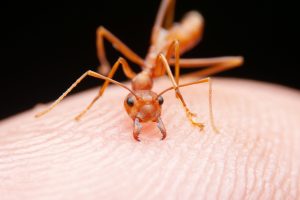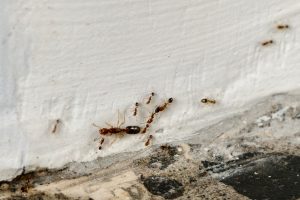
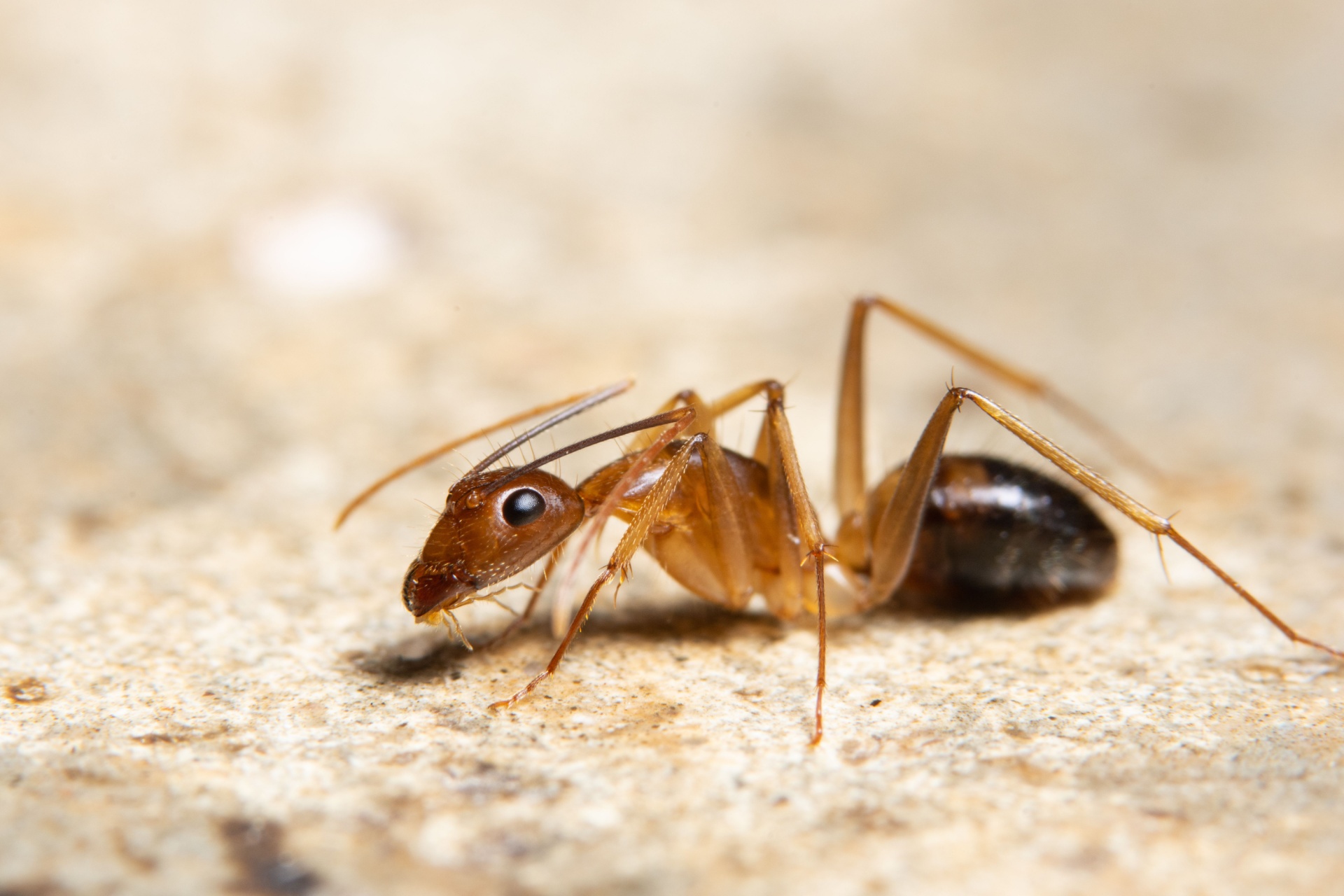
Ant infestations are one of the most common pest problems homeowners face in Fort Myers. While many people refer to all ants as the same nuisance pest, several different species are responsible for most infestations in Southwest Florida. Each type of ant behaves differently, nests in different locations, and requires a targeted treatment approach for effective control. Understanding which ant species are most common in Fort Myers can help homeowners recognize problems early and avoid treatments that fail to solve the underlying issue. When ants become established inside or around a home, professional pest control services in Fort Myers are often the most reliable way to eliminate the colony and prevent repeat infestations.
Why Ant Problems Are So Persistent in Fort Myers
Fort Myers’ warm, humid climate allows ants to remain active and breeding throughout the entire year. Unlike colder regions where winter slows pest populations, ants in Southwest Florida face no seasonal die-off.
Several environmental factors support large ant populations:
- Warm temperatures year-round
- High humidity that prevents nests from drying out
- Frequent rainstorms that flood outdoor colonies
- Irrigated lawns and landscaped yards
Because ant colonies remain active in every season, infestations can begin or worsen at any time of year.
Fire Ants: Aggressive and Painful
Fire ants are one of the most well-known and problematic ant species in Fort Myers. These ants typically nest outdoors in soil, lawns, and landscaped areas but will enter homes while foraging for food or water.
Fire ants are known for:
- Building large soil mounds in yards
- Aggressive behavior when nests are disturbed
- Painful stings that cause burning sensations and welts
- Swarming quickly when threatened
While fire ants are primarily an outdoor problem, their presence near foundations and entry points increases the likelihood of indoor activity.
Ghost Ants: Tiny but Highly Invasive
Ghost ants are one of the most common indoor-invading ant species in Fort Myers homes. They are extremely small and difficult to see, which allows infestations to grow unnoticed.
Ghost ants are known for:
- Nesting inside walls, cabinets, and electrical outlets
- Entering homes in search of sweets and moisture
- Forming multiple satellite colonies
- Avoiding many common store-bought baits
Because ghost ant colonies frequently split and relocate, improper treatment often makes infestations worse instead of better.
Carpenter Ants: Large and Destructive
Carpenter ants are among the largest ants found in Fort Myers and are often mistaken for termites. Unlike termites, carpenter ants do not eat wood, but they tunnel through it to create nesting galleries.
Carpenter ants are attracted to:
- Damp or decaying wood
- Leaky windows and rooflines
- Moist crawl spaces and wall voids
- Wood damaged by water intrusion
Over time, carpenter ant activity can weaken wooden structures and worsen existing moisture damage.
Pharoah Ants: Small and Hard to Eliminate
Pharoah ants are tiny, light-colored ants that commonly infest kitchens, bathrooms, and wall voids. They are especially difficult to control because their colonies fragment easily.
Pharoah ants are known for:
- Nesting inside walls and appliances
- Feeding on a wide range of foods
- Splitting colonies when disturbed
- Quickly developing resistance to improper treatments
DIY sprays and baits often cause these ants to spread into multiple new colonies throughout a home.
White-Footed Ants and Other Nuisance Species
Several other ant species are also common in Fort Myers, including white-footed ants, crazy ants, and big-headed ants.
These ants are often responsible for:
- Trail activity along walls and baseboards
- Nesting in attics, soffits, and wall voids
- Foraging indoors for food and moisture
While some species are mostly nuisance pests, others can create serious long-term infestations if not treated properly.
Why Proper Ant Identification Matters
Each ant species responds differently to treatment methods. Using the wrong bait or spray can cause colonies to split and spread instead of being eliminated.
Proper identification allows professionals to:
- Choose the correct treatment strategy
- Target nesting locations accurately
- Prevent colony fragmentation
- Achieve longer-lasting results
This is why professional inspections are often necessary for persistent ant problems.
Why DIY Ant Control Often Fails
Many homeowners attempt to control ants using sprays, traps, and store-bought baits. While these products may kill visible ants, they rarely eliminate the colony.
DIY treatments fail because:
- The nest remains active and hidden
- Queens continue producing workers
- Colonies split and relocate
- Entry points remain open
Without targeted treatment and exclusion work, infestations almost always return.
How Professional Ant Control Makes a Difference
Professional pest control focuses on eliminating the entire colony, not just visible ants.
Services typically include:
- Identifying the ant species involved
- Locating nests and foraging trails
- Applying targeted treatments
- Sealing entry points
- Providing preventive recommendations
This comprehensive approach delivers more reliable, long-term results.
Take Control of Ant Infestations in Fort Myers
Ant infestations in Fort Myers are rarely caused by just one species, and effective treatment depends on accurate identification and targeted control methods.
For over 25 years, Pest Solutions Plus has been helping customers solve their pest control problems throughout Southwest Florida. If you’re dealing with persistent ants or want to prevent future infestations, reach out to Pest Solutions Plus to schedule an inspection and learn more about our pest control services in Fort Myers and the surrounding areas.