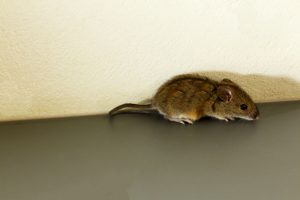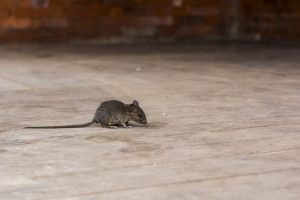

Ever wonder why rodent sightings spike even when the weather doesn’t change? In Fort Myers, the answer lies in the region’s unique climate and urban layout. Licensed rodent control services in Fort Myers play a vital role in helping homeowners stay ahead of infestations that can occur any time of year. Signs of rodent activity in Florida homes can appear suddenly and escalate quickly, making it essential to understand what keeps these pests so active—and how to keep them out.
What Keeps Rodents Comfortable in Florida Homes
Florida’s subtropical climate is a dream for rodents. With mild winters and humid summers, rats and mice can breed continuously without the seasonal slowdown seen in colder regions. Fort Myers, in particular, offers a perfect storm of conditions—dense vegetation, abundant food sources, and warm shelter spots—that make it easy for rodents to thrive.
Roof rats are especially problematic in Southwest Florida. Agile and opportunistic, they leap from palm trees onto rooftops, squeeze through vents, and nest in insulation. Once inside, they chew through wires, contaminate surfaces, and multiply quickly.
Rodents are drawn to:
- Shelter: Attics, garages, crawl spaces, and wall voids
- Food: Pet food, bird seed, pantry items, and trash bins
- Water: Leaky pipes, irrigation systems, and outdoor containers
- Access points: Gaps in roofing, foundation cracks, and utility lines
These factors create a year-round comfort zone for rodents. Without seasonal deterrents like freezing temperatures, they remain active and opportunistic—making prevention a constant priority for Florida homeowners.
Seasonal Rodent Infestations in Fort Myers
Rodents are active year-round in Fort Myers, but each season brings unique triggers that influence their behavior and movement.
- Spring: Rising temperatures kick off breeding season, causing population spikes. Rodents seek nesting spots in attics and garages, and increased outdoor activity can expose food sources and entry points.
- Summer: Intense heat and frequent rainstorms push rodents indoors for cooler, dry shelter. Flooded burrows and high humidity make homes with shaded areas and leaky pipes especially attractive.
- Fall: Harvest season draws rodents to fruit trees, gardens, and compost bins. As nights cool, they begin scouting for warm nesting spots, making early fall a key time for sealing entry points and inspecting vulnerable areas.
- Winter: Even mild Florida winters drive rodents deeper into homes. They settle into insulation and wall voids, continuing to breed and spread quietly if left unchecked.
Understanding these seasonal shifts helps homeowners stay one step ahead. Rodents adapt quickly to environmental changes, so anticipating their behavior by season is key to preventing infestations before they escalate.
How to Keep Rats and Mice Out of Your House
Rodent prevention in Fort Myers requires vigilance and consistency. Here are some proven strategies to protect your home:
- Seal cracks and gaps around doors, windows, and foundations
- Install rodent-proof mesh over vents and chimneys
- Store food in airtight containers and clean up crumbs immediately
- Trim tree branches away from your roofline
- Keep pet food indoors and avoid feeding pets outside
- Fix leaky faucets and eliminate standing water
- Schedule regular inspections with expert rodent exterminators in Fort Myers
These steps work best when applied consistently and early. Rodents are opportunistic, and even small lapses in home maintenance can invite them in. A layered approach—combining physical barriers, sanitation, and professional oversight—is the most effective way to keep your home rodent-free.
Rodent Intelligence: Why DIY Traps Often Fail
Rodents are far more intelligent than most homeowners realize. They’re cautious, adaptive, and capable of learning from failed attempts to trap them. Rats, in particular, can detect changes in their environment and avoid unfamiliar objects—especially if they’ve seen other rodents caught. Their heightened senses and survival instincts make them difficult to fool with basic store-bought solutions.
You can’t out-trap a rodent that’s already learned the game. Real results come from understanding their behavior and staying ahead of it. That’s why relying solely on DIY methods often leads to frustration and recurring infestations. Without a strategic approach that targets how rodents think and move, the problem rarely goes away for good.
How Integrated Pest Management Keeps Rodents Out
Integrated Pest Management (IPM) is a science-based strategy that goes beyond surface-level solutions. Instead of relying solely on traps or chemicals, IPM combines inspection, exclusion, sanitation, and monitoring to create a long-term defense against rodents. It’s a proactive approach that targets the conditions that attract pests in the first place.
At Pest Solutions Plus, we use IPM to identify the root causes of infestations—whether it’s a structural vulnerability, a food source, or a nesting site—and tailor our approach to your property’s specific needs. This method not only removes existing rodents but also prevents future invasions, making it one of the most effective and environmentally responsible ways to protect your home.
Take Control Before Rodents Do
No season offers relief from rodent activity in Fort Myers. The region’s warm climate and dense vegetation keep these pests active year-round, constantly searching for entry points, nesting areas, and food. Staying ahead means recognizing their behavior and taking action before they settle in.
Rodents think they know your home. We know it better. Pest Solutions Plus identifies vulnerabilities, anticipates movement, and eliminates infestations with targeted expertise. Reach out to Pest Solutions Plus and let’s restore confidence in every corner of your home.