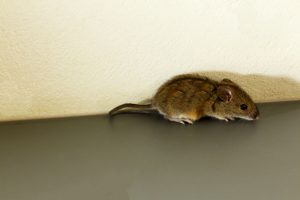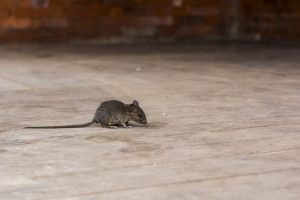

Southwest Florida’s rodent problems exceed those in most other regions, and understanding why helps homeowners protect their properties more effectively. Multiple environmental, climatic, and geographical factors combine to create conditions where rodent populations thrive year-round rather than experiencing the natural population declines seen in colder climates.
Climate: The Year-Round Breeding Advantage
No Winter Kill-Off
In northern states, harsh winter temperatures cause significant rodent mortality. Food becomes scarce, outdoor nesting sites offer inadequate shelter, and cold stress reduces survival rates. These seasonal die-offs naturally limit rodent populations.
Southwest Florida’s mild winters provide no such population control. Temperatures rarely drop low enough to stress rodents, allowing them to remain active and reproductive throughout the year. A single female rat can produce five to ten litters annually in ideal conditions, with each litter containing six to twelve pups. Without winter die-offs, populations compound rapidly.
Extended Breeding Seasons
While rodents in temperate climates breed primarily during warmer months, Southwest Florida rodents face no such limitations. Consistent temperatures and abundant food sources enable continuous breeding cycles. This means a small rodent problem in January can become a significant infestation by March without intervention.
Abundant Food Sources
Southwest Florida’s landscape provides exceptional rodent food availability. Citrus fruits drop from trees, providing high-calorie nutrition. Palm trees produce seeds that rodents favor. Native vegetation yields nuts, berries, and other food sources. Ornamental landscaping common in residential areas offers additional feeding opportunities.
Human food sources compound the problem. Outdoor dining areas, unsecured garbage bins, pet food left outside, and bird feeders all attract rodents. The combination of natural and human-provided food creates an environment where rodents rarely experience food scarcity.
Water Availability
Florida’s high humidity and frequent rainfall ensure water is never limiting for rodent populations. Irrigation systems, landscape ponds, pet water bowls, and even morning dew provide ample hydration. The abundance of water sources means one of the three survival essentials (food, water, shelter) is always readily available.
Ideal Nesting Opportunities
Dense Vegetation
Southwest Florida properties typically feature lush landscaping with dense shrubs, tall ornamental grasses, and vine coverage. This vegetation provides perfect rodent harborage—protected areas where they can nest safely away from predators. Overgrown vegetation touching structures offers direct access routes into homes.
Elevated Structures and Palm Trees
Roof rats, the predominant rodent species in Southwest Florida, excel at climbing. Palm trees offer ideal nesting sites in their dense fronds, and residential architecture featuring tile roofs, overhanging eaves, and attic spaces provides perfect elevated habitats that roof rats naturally prefer.
Construction and Development Patterns
Displacement from Natural Habitat
Ongoing development in Southwest Florida continuously displaces rodents from their natural habitats. As wetlands are filled and wild areas are cleared for construction, rodent populations seek new territories. Nearby residential areas become prime targets, especially during active construction phases.
Building Design Vulnerabilities
Many Southwest Florida homes feature construction elements that inadvertently facilitate rodent entry. Roof tile designs create gaps, attic vents may lack proper screening, and the numerous penetrations for utilities (AC lines, electrical, plumbing) provide potential entry points. Older structures often have gaps and deterioration that rodents exploit.
Hurricane and Storm Impact
Tropical storms and hurricanes significantly affect rodent behavior and populations. High water from flooding drives rodents from ground-level burrows and natural habitats into structures seeking dry shelter. Storm damage creates new entry points through displaced roofing materials, broken soffits, and foundation damage.
Post-storm debris provides additional harborage until cleanup is complete. The disruption of normal food sources during and after storms makes human structures even more attractive to displaced rodent populations seeking stability.
What Southwest Florida Homeowners Can Do
Exclusion: Your Primary Defense
- Inspect your home’s exterior regularly for gaps and cracks
- Seal openings around utility penetrations with steel wool and caulk
- Ensure all vents have properly secured screening
- Repair damaged soffits, fascia, and roof tiles promptly
- Install door sweeps on exterior doors
- Cover chimney openings with appropriate caps
Landscape Management
- Trim tree branches away from your roof line (minimum three-foot clearance)
- Keep shrubs trimmed and away from your home’s foundation
- Remove dense ground cover touching your structure
- Regularly clean up fallen fruit from citrus and other fruit trees
- Eliminate debris piles and unused building materials
Sanitation Practices
- Store garbage in sealed, rodent-proof containers
- Don’t leave pet food outside overnight
- Clean outdoor eating areas promptly after use
- Store bird seed and pet food in sealed metal or heavy plastic containers
- Keep compost bins properly maintained and away from structures
Eliminate Water Sources
- Fix leaky outdoor faucets and irrigation systems
- Drain standing water from plant saucers and low spots
- Remove unnecessary water features
- Don’t leave pet water bowls outside overnight
Professional Monitoring
Given Southwest Florida’s exceptional rodent pressure, professional pest control monitoring provides valuable protection. Regular inspections identify problems early when they’re easiest to address. Professional technicians recognize signs homeowners typically miss and can implement preventive measures before infestations develop.
The Reality of Southwest Florida Living
Accepting that rodent pressure is a constant factor in Southwest Florida helps homeowners take appropriate precautions. This isn’t about perfect elimination—it’s about maintaining vigilance and implementing ongoing prevention strategies. Properties left unprotected will eventually experience rodent activity; it’s not a matter of if, but when.
The investment in prevention costs far less than dealing with established infestations and the damage they cause. Chewed electrical wiring, contaminated insulation, destroyed stored items, and health risks from rodent-borne diseases make prevention the economically wise choice.
Don’t Fight This Battle Alone
Southwest Florida’s rodent challenges require expertise, experience, and proven strategies. Attempting DIY control in this environment often leads to frustration and limited success. Contact Pest Solutions Plus to partner with professionals who understand Southwest Florida’s unique rodent pressures and know how to protect your home effectively.